
I bridge product strategy, human-centered design, and AI execution — helping organizations build AI-native products and develop the capabilities to keep building them. 25+ years of product and UX leadership, with two years of building real AI products — each one rooted in a genuine human need, not a proof of concept.
Not less. The organizations replacing people with AI are about to learn something expensive.
Organizations are discovering that replacing experienced judgment with AI output creates a different problem: no one left who can tell when the AI is wrong. I've watched this cycle from inside enterprise AI transformation. The first round of regret is already happening.
"The companies that gutted their design and product teams are now rebuilding the human judgment layer."
AI is spectacular at pattern completion. It cannot do problem discovery. It cannot tell you which problem is worth solving. It cannot navigate organizational politics, read a room, or know when a product decision needs a human champion. That's a different kind of intelligence.
"AI has all the wings. You still have to choose which one to fly."
Organizations and leadership teams are drowning in AI vendor noise. New models every week. New frameworks every month. No one with the cross-functional fluency to cut through and say: here's what actually moves your business, here's what's a distraction, here's where to start.
25 years of product and UX judgment. 2 years of building AI products rooted in real use cases — solutions people actually needed, turned into working software across 6 industry domains. I've built the map others are still being handed directions to. I can walk alongside your leadership — not selling AI, but making your organization genuinely AI-capable.
"Application is the new education. I've done the application."
The speed is not the achievement. The achievement is recognizing patterns quickly because they have been seen before. Twenty-five years of product, UX, systems thinking, and organizational experience allows movement from ambiguity to working solutions faster than traditional teams. AI accelerates execution. Experience determines direction.
MiroFish: Recognized the spatial canvas opportunity immediately — not because of tool familiarity, but because the UX pattern was already understood from years of information architecture work.
TaskForce: Multi-agent orchestration designed with human review gates at three critical points — because the failure modes of autonomous AI were understood before a line was written.
Finding Penguin: Zero-backend architecture chosen not as a constraint but as a deliberate platform strategy — the kind of decision that comes from understanding product economics, not just technical options.
There's a third lane emerging in AI organizations — and I've been building it for two years.
Enterprise UX for Fortune 500 clients, product strategy across six industry domains, and two years of deep AI immersion — building, failing, learning, and building again. The design and product fluency didn't go away when AI arrived. It became the lens that made AI output actually usable.
"I can tell the difference between AI noise and AI signal — because I've seen both in production."
The speed of AI-assisted development is not the achievement. The achievement is recognizing patterns quickly because they have been seen before — and knowing which problems are worth solving before a single line is written. That judgment comes from decades of product work, not from the tools.
"The methodology came from failure, not theory."
I understand the entire AI product lifecycle: human problem framing → concept validation → AI-assisted build → agentic pipeline design → responsible deployment → org capability building. I can direct teams at every layer and create the AI readiness clarity organizations are struggling to find.
Every AI product I've built is designed around one question: where does the human belong, and what does that moment feel like? Not as a safety checkbox — as the core design decision. That conviction comes from building real products where I got it wrong first.
"AI fills. Humans verify. That's not a limitation — it's the design."
Principles formed through real builds, not theory. Here's how I think about designing AI products.
Every AI product starts with a non-AI question: what is the actual human cost of the current experience? Pain points, friction, and failed workarounds — before touching any AI framing.
Which moments in the journey are repetitive, predictable, or data-rich? Map the AI opportunity space — where it adds signal vs. where it adds noise.
The interaction contract: what does AI decide autonomously, what does it suggest, what does the human always control? This is the UX architecture beneath the surface.
Use Claude, Cursor, Lovable and Gemini to build the actual product alongside the design. Feedback is about the real thing, not a simulation.
AI products drift. I build observability into AI features from day one — so products can learn without losing user trust.
The hardest thing to get right in AI product design isn't the AI. It's knowing exactly where the human belongs — and designing that moment to feel natural, not like an interruption.
AI fills, humans verify. Default outputs are AI-generated. The human's job is review, not creation.
Confidence is surfaced, not hidden. When AI is uncertain, the product says so. Users trust what they understand.
Override is always one tap. Human control is never more than one interaction away. AI helps, never gatekeeps.
Learning is bidirectional. When humans correct AI, the product gets better. Corrections are data, not failures.
Primary AI pair programmer and reasoning engine — directed the full Ventura product architecture across 137 commits using Claude via Cursor.
Integrated as AI insights engine in OEM Portal. Powers content generation in Creator Studio.
AI-native development environment. The canvas where design intent becomes real, deployable code.
Agentic pipeline design. Orchestrated 20-agent research system synthesizing 40+ live data sources.
Measured across the Ventura investment platform build — AI-assisted vs. traditional team baseline
Creator Studio: monolith rebuilt into multi-tenant AI content platform
AI-fill model: one sentence → eight complete content fields
20-agent system delivering what 3–5 analysts need 2–3 hours to produce
Every project here went from idea to deployed product. Real users, real systems, real outcomes.
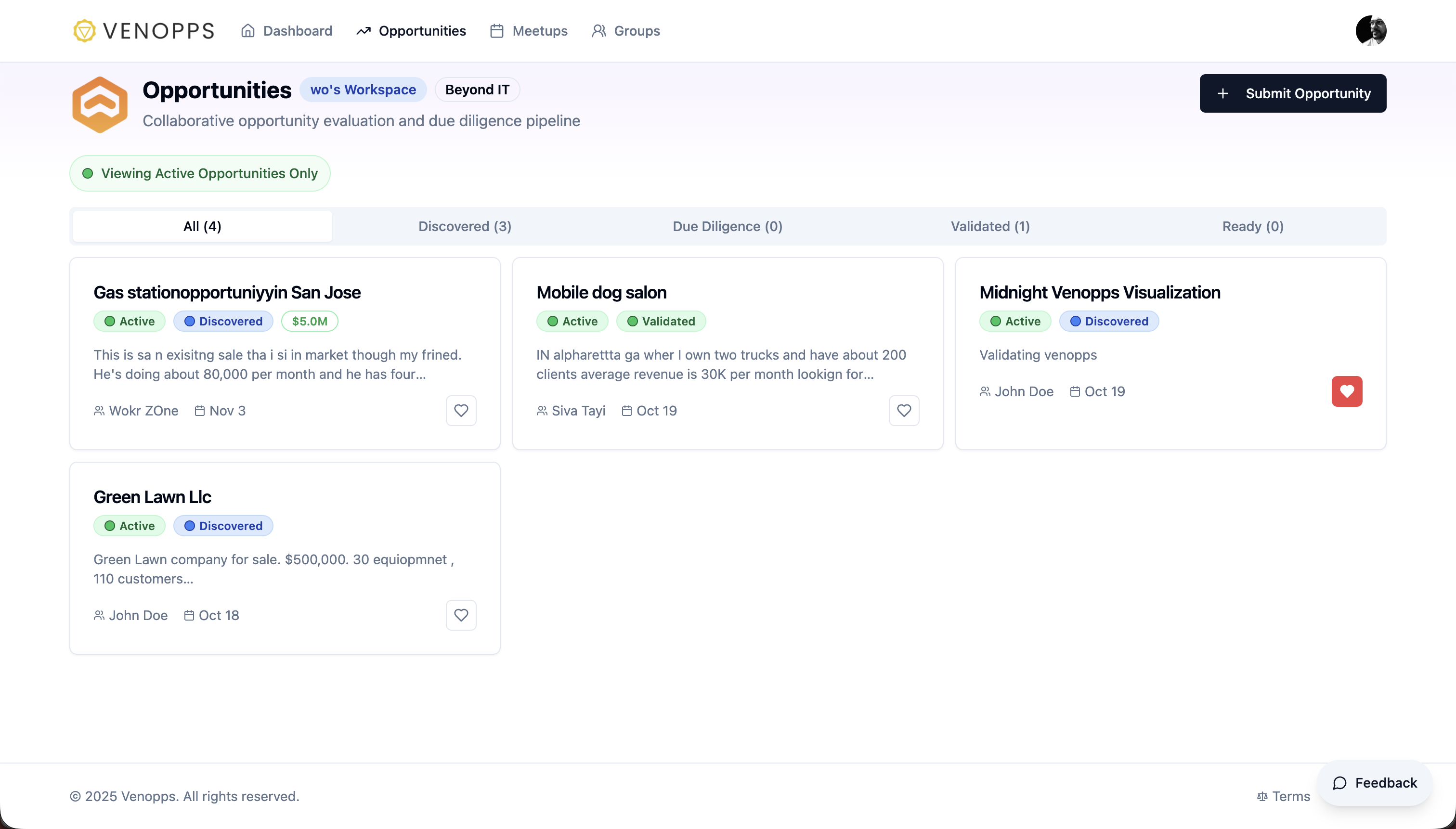
Designed and directed end-to-end development of a production-grade investment coordination SaaS — 50+ features, full-stack architecture (React/TypeScript, Supabase, Stripe, Gemini), and a validated human-AI workflow that demonstrates how AI-assisted development changes software economics.
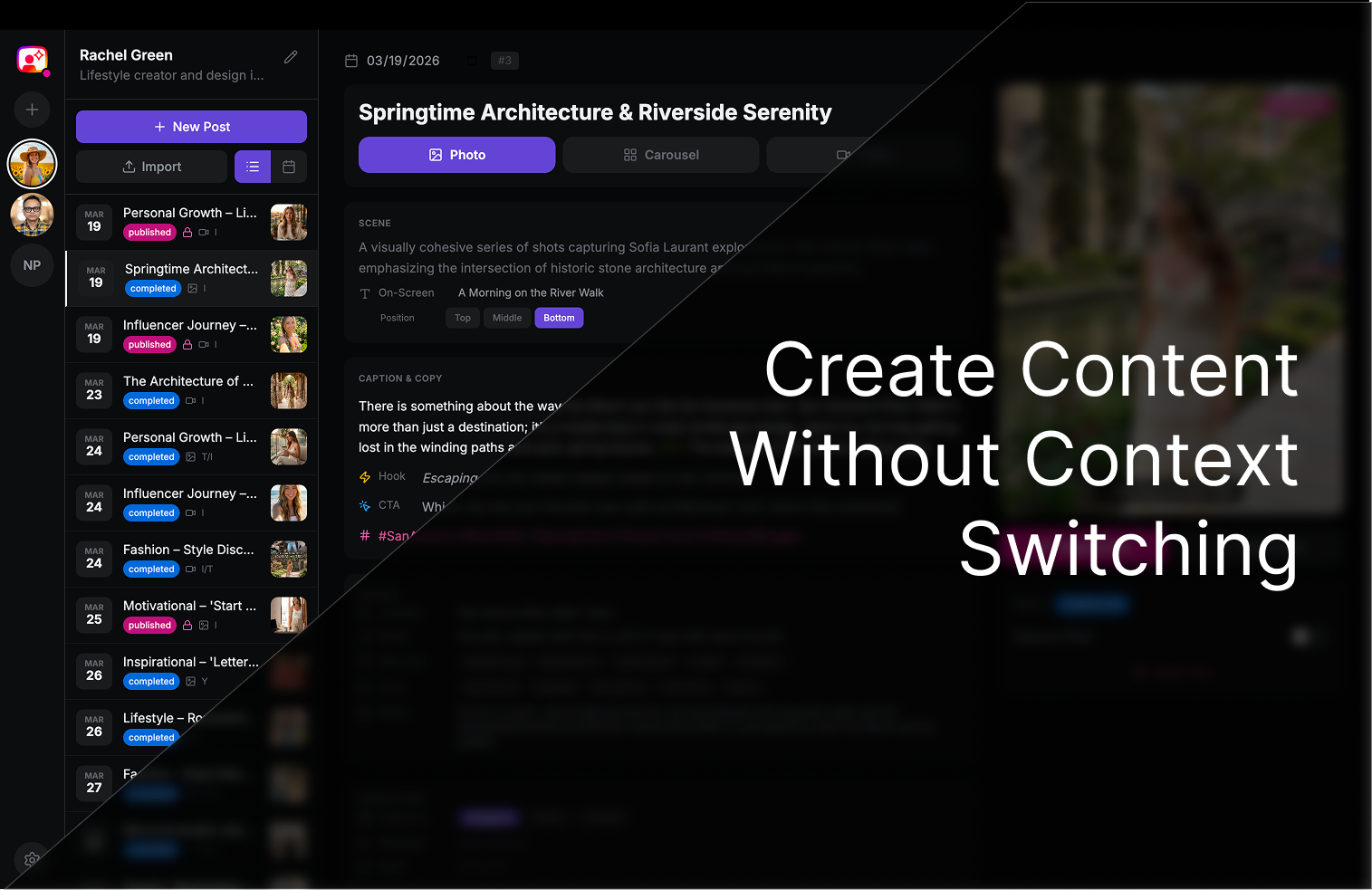
Rebuilt a 3,144-line monolith into a production-grade, multi-tenant AI content platform in 12 days. Core design insight: one natural language sentence replaces 8 form fields — AI fills everything, humans tweak.
Designed the unified partner workspace replacing fragmented workflows across Google Forms, email, Buganizer, Accord, and Taskflow — saving 8–12 weeks per product lifecycle. AI insight panel surfaces next actions automatically; partners self-serve end-to-end across Smartphone, Tablet, Wearable, and TV/Home categories.
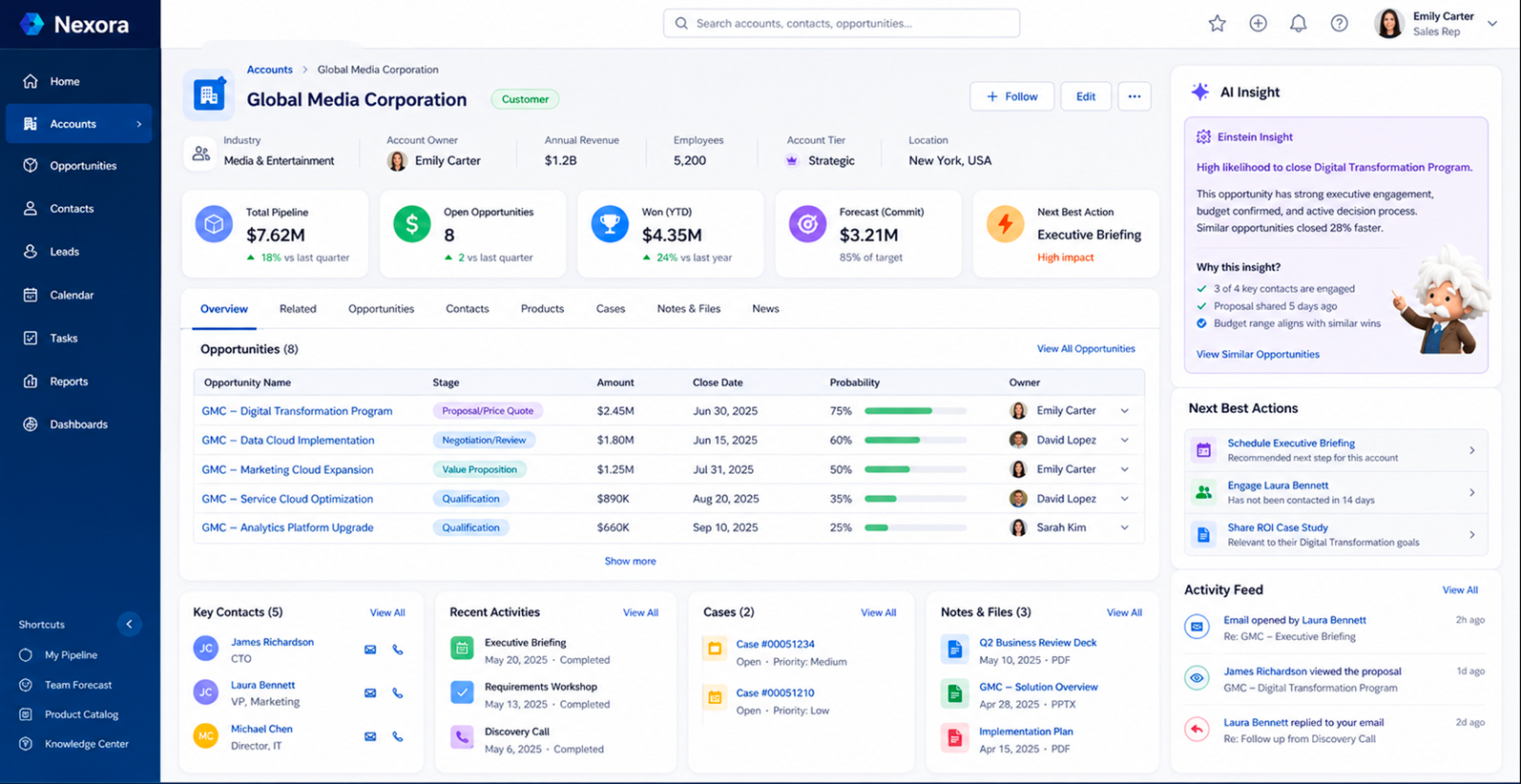
The other half of the career — leading design on the dashboards, workflows, and platforms large organizations run on. Partner operations consoles, sales pipeline workspaces, content ops tools, and a ServiceNow design strategy & workshop engagement for a university, designed across cross-functional teams at Fortune 500 and higher-ed scale.
Designed and deployed a multi-agent agentic AI system synthesizing 40+ live data sources — delivering in 30 minutes what a 3-5 person analyst team needs 2-3 hours to produce manually.
Designed and launched a full 3D browser game as a platform concept — complete with product strategy, brand partnership model (POI system), and community monetization roadmap. Pure browser architecture with zero backend demonstrates constraint-as-design-principle.

Dual-role UX platform — pet owner and caretaker see completely different experiences from the same app. Real-time coordination, activity photo logs, and Paw Points reputation system. Designed to validate a consumer marketplace model in the pet care space.
Nine products spanning applied AI, real consumer apps, enterprise platforms, and human-centered design. Each one built and shipped.
Each build answered a different question about how AI changes product creation, organizational capability, and decision-making. AI agents, SaaS platforms, design systems, fintech, edtech, govtech — the depth is in what was learned, not the count.
Best walked through on a call.
Director-level AI product and design roles where human judgment and AI capability need to be brought together — and where the work actually ships.
contact.sivatayi@gmail.com →